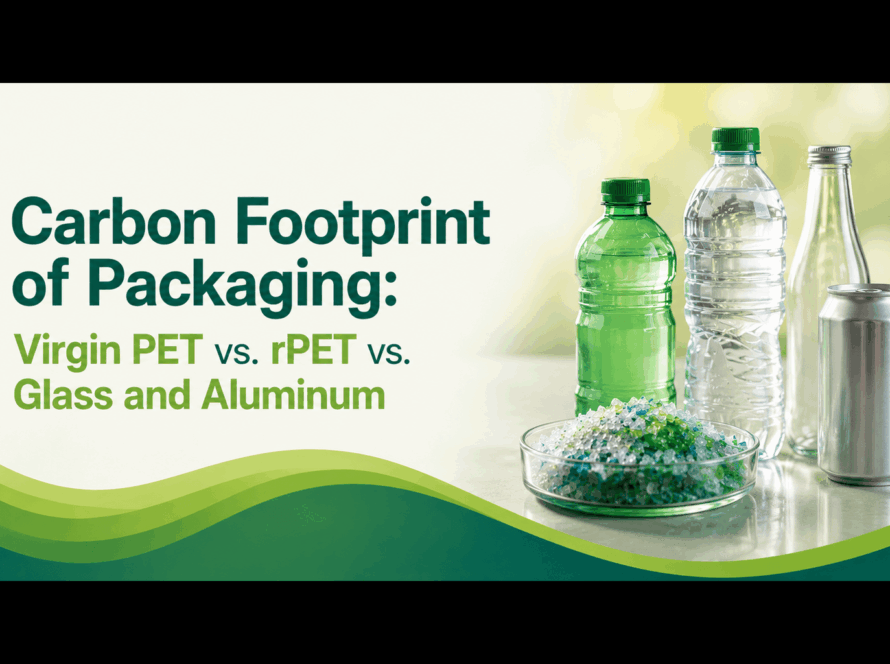
Sustainability is no longer a side conversation—it is shaping how brands design, manufacture, and deliver products. As environmental concerns continue to influence consumer behavior, many businesses are rethinking their packaging strategies. One of the most impactful shifts is moving from virgin plastic to rPET (recycled polyethylene terephthalate) packaging.
For brands working with industry leaders like Tapadia Polyester, this transition is not just feasible—it’s a strategic opportunity to improve sustainability, reduce environmental impact, strengthen brand positioning, and align with evolving Plastic Waste Management (PWM) regulations.
As governments across the world tighten sustainability laws, brands are now expected to take greater responsibility for the packaging they introduce into the market. In India, Plastic Waste Management (PWM) Rules and Extended Producer Responsibility (EPR) guidelines are pushing businesses to adopt recyclable materials and increase recycled content in packaging. This makes the transition to rPET not just an environmental initiative but an important step toward long-term regulatory compliance.
This guide walks you through the transition process step by step.
What is rPET and Why It Matters
rPET is made by recycling post-consumer PET products such as bottles and containers. Instead of producing new plastic from fossil fuels, existing plastic waste is collected, cleaned, and reprocessed into high-quality packaging material.
The benefits are significant:
- Reduces dependence on virgin plastic
- Lowers carbon footprint
- Supports circular economy initiatives
- Aligns with global sustainability regulations and PWM norms
- Helps brands meet EPR and recycled-content targets
For businesses, adopting rPET isn’t just about compliance—it’s about staying competitive in a market where eco-conscious choices influence purchasing decisions.
Understanding PWM Norms and Why They Matter
Plastic Waste Management (PWM) Rules are government regulations designed to reduce plastic waste and encourage responsible packaging practices. In India, the PWM Rules and EPR framework require producers, importers, and brand owners to take accountability for the lifecycle of plastic packaging.
Key requirements often include:
- Increasing the use of recyclable materials
- Improving collection and recycling systems
- Reducing dependence on virgin plastics
- Meeting recycled-content obligations in packaging
- Ensuring packaging is compatible with recycling infrastructure
For many businesses, transitioning to rPET packaging supports compliance with these evolving regulations while also improving sustainability credentials.
Brands that proactively adapt to PWM norms are better positioned to avoid future compliance risks, strengthen retailer relationships, and build trust with environmentally conscious consumers.
Step-by-Step Guide to Transitioning to rPET Packaging
Transitioning to rPET packaging requires careful planning, the right materials, and a reliable supply chain strategy. From evaluating your current packaging to ensuring compliance with PWM and EPR regulations, each step plays an important role in building a more sustainable and future-ready brand. Here’s a practical step-by-step guide to help your business make the switch smoothly and effectively.
Step 1: Evaluate Your Current Packaging
Before transitioning, conduct a detailed audit of your existing packaging.
Ask key questions:
- What type of plastic materials are currently used?
- What are the functional requirements (barrier properties, durability, shelf life)?
- Which products rely heavily on plastic packaging?
- Does your current packaging align with PWM and EPR compliance requirements?
This evaluation helps identify which packaging components can be replaced with rPET without compromising performance.
For example, if your product relies on high moisture or oxygen barriers, you may need to explore multi-layer rPET solutions offered by advanced manufacturers like Tapadia Polyester.
Step 2: Understand rPET Material Capabilities
Not all rPET is created equal. The quality depends on sourcing, recycling processes, and manufacturing expertise.
Key factors to consider:
- Clarity and appearance: Modern rPET can match the transparency of virgin PET.
- Strength and durability: Suitable for a wide range of applications including food packaging.
- Barrier properties: Can be enhanced through coatings or lamination.
Partnering with an experienced supplier ensures your packaging maintains both performance and aesthetic appeal.
Step 3: Assess Supply Chain Readiness
One of the biggest challenges in transitioning to rPET is ensuring a stable and reliable supply chain.
Consider the following:
- Availability of food-grade rPET
- Consistency in material quality
- Lead times and logistics
- Availability of recycled-content certifications
- Supplier readiness to support PWM compliance documentation
Work closely with your packaging supplier to understand sourcing strategies. Established manufacturers like Tapadia Polyester often have robust supply chains that ensure consistent availability of high-quality rPET films.
Additionally, evaluate whether your current production lines can handle rPET materials or require modifications.
Step 4: Analyze Cost Implications
Cost is often a primary concern when switching to sustainable packaging.
Here’s what to keep in mind:
Short-Term Costs
- rPET may sometimes be slightly more expensive than virgin plastic due to processing requirements.
- Initial investment may be needed for packaging redesign or machinery adjustments.
Long-Term Benefits
- Reduced regulatory risks and compliance costs
- Potential tax incentives or sustainability grants
- Increased customer loyalty and brand value
- Better readiness for future PWM and EPR regulations
Many brands find that while upfront costs may rise slightly, the long-term ROI—driven by brand differentiation and consumer trust—more than offsets the investment.
Step 5: Redesign Packaging for rPET Compatibility
Switching materials is not always a direct replacement. You may need to optimize your packaging design.
Focus on:
- Reducing unnecessary material layers
- Ensuring compatibility with recycling systems
- Maintaining product protection and shelf life
- Designing packaging that aligns with recyclability standards under PWM norms
This is also an opportunity to innovate. Lightweight designs, mono-material structures, and recyclable laminates can further enhance sustainability.
Step 6: Conduct Testing and Quality Assurance
Before full-scale implementation, rigorous testing is essential.
Key tests include:
- Mechanical strength testing
- Shelf-life studies
- Barrier performance evaluation
- Compatibility with filling and sealing processes
- Regulatory compliance verification
Pilot runs allow you to identify and resolve potential issues early, ensuring a smooth transition without disrupting operations.
Step 7: Communicate Your Sustainability Shift
Switching to rPET is not just an operational change—it’s a powerful marketing opportunity.
Consumers increasingly prefer brands that demonstrate environmental responsibility. However, transparency is key.
Best Practices for Communication:
- Clearly label packaging as “Made with Recycled PET”
- Share your sustainability journey on your website and social media
- Highlight measurable impact (e.g., reduction in plastic waste)
- Mention how your packaging supports PWM and recycling initiatives
Avoid greenwashing by providing accurate and verifiable claims.
Step 8: Monitor Performance and Optimize
After implementation, continuously track performance metrics.
Evaluate:
- Customer feedback
- Packaging durability
- Supply chain efficiency
- Cost trends
- Compliance readiness and reporting efficiency
Use this data to refine your strategy and explore further sustainability improvements.
The Marketing Advantage of rPET Packaging
Beyond environmental impact, rPET offers a competitive edge in the market.
Brands that adopt sustainable packaging often benefit from:
- Increased consumer trust
- Stronger differentiation on shelves
- Alignment with global sustainability trends
- Better positioning with retailers and partners
- Improved readiness for evolving PWM regulations
When done right, your packaging becomes a storytelling tool—one that reflects responsibility, innovation, and forward-thinking values.
Conclusion
Transitioning to rPET packaging is a strategic move that aligns environmental responsibility with business growth. While the process involves multiple steps—from supply chain adjustments to cost analysis—the benefits extend far beyond sustainability.
As Plastic Waste Management (PWM) regulations and EPR obligations continue to evolve, brands that proactively adopt recyclable and recycled-content packaging solutions will be better positioned for long-term success. Switching to rPET helps businesses not only reduce environmental impact but also prepare for stricter compliance requirements in the future.
With the right partner, such as Tapadia Polyester, brands can confidently make the shift without compromising on quality, performance, or visual appeal. More importantly, they can build a stronger connection with consumers who value conscious choices.
Ready to switch to sustainable packaging? Partner with Tapadia Polyesters for high-quality rPET film solutions tailored to your needs. Get in touch today and start your rPET journey with confidence.
Frequently Asked Questions (FAQs)
rPET is recycled polyethylene terephthalate made from post-consumer plastic waste, while virgin PET is produced from raw petrochemical resources. rPET reduces environmental impact by reusing existing materials.
Yes, food-grade rPET is safe when processed under strict regulatory standards. Always ensure your supplier provides certified materials.
High-quality rPET can match the performance of virgin PET. However, proper sourcing and testing are essential to maintain consistency.
It can be slightly more expensive depending on market conditions, but long-term benefits like brand value and sustainability often offset the cost.
It depends on your product and supply chain. Many brands start with partial replacement and gradually increase recycled content.
Using rPET supports Plastic Waste Management (PWM) goals by reducing virgin plastic consumption, improving recyclability, and helping brands align with Extended Producer Responsibility (EPR) requirements.
In many regions, including India, PWM and EPR regulations require brands to manage plastic waste responsibly and increase the use of recyclable packaging materials. Businesses should stay updated on the latest compliance requirements relevant to their industry.