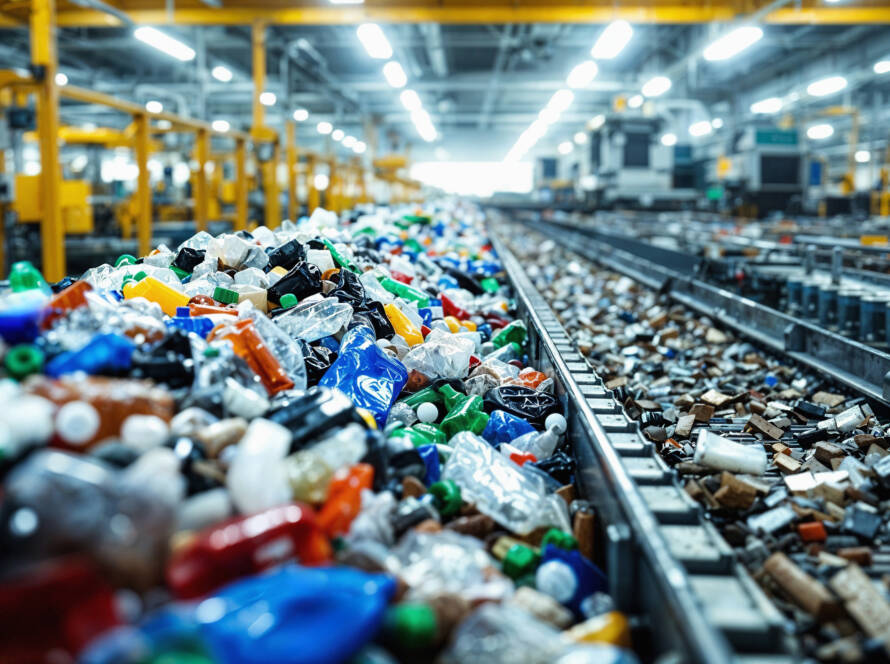
India’s plastic waste management landscape has entered a new phase with the introduction of the Plastic Waste Management (Amendment) Rules, 2026, by the Ministry of Environment, Forestry, and Climate Change (MoEFCC). These new rules significantly strengthen the requirement for mandatory use of recycled plastic content, making compliance not just a regulatory responsibility but a strategic necessity for businesses.
For Producers, Importers, and Brand Owners (PIBOs), this amendment introduces clear, yearly recycled plastic content targets across different packaging categories. Organizations that fail to adapt quickly may face regulatory risks, operational disruption, and reputational damage.
This blog breaks down the key highlights of the amendment, with a strong focus on the year-wise recycled content targets and what they mean for your business moving forward.
Understanding the PWM Amendment Rules 2026
The Plastic Waste Management (Amendment) Rules, 2026 build upon the existing Plastic Waste Management Rules 2016, and its earlier amendments. The latest update strengthens sustainability efforts by mandating the gradual increase of recycled plastic usage across packaging categories.
The goal is simple but powerful:
- Reduce plastic pollution
- Encourage circular economy practices
- Promote responsible plastic usage
- Increase demand for recycled materials
- Strengthen accountability across supply chains
The rules specifically introduce mandatory recycled plastic content targets for:
- Category I – Rigid Plastic Packaging
- Category II – Flexible Plastic Packaging
- Category III – Multi-layered Plastic Packaging
These targets increase year by year, ensuring progressive improvement in recycling adoption.
Mandatory Recycled Plastic Content Targets (2025–2029)
Below are the official recycled plastic content requirements introduced under the PWM Amendment Rules 2026.
Category I – Rigid Plastic Packaging Targets
Category I includes rigid plastic materials such as:
- Bottles
- Containers
- Jars
- Rigid packaging boxes
Category I Recycled Content Targets
| Year | Mandatory Recycled Content | |
|---|---|---|
| 2025–26 | 30% | |
| 2026–27 | 40% | |
| 2027–28 | 50% | |
| 2028–29 & onwards | 60% |
What This Means
Rigid packaging manufacturers must steadily increase recycled content in their production processes. The jump to 60% recycled content by 2028–29 represents one of the most significant shifts in India’s packaging regulations.
For industries using PET bottles, containers, and rigid packaging — this change will directly impact procurement and material sourcing strategies.
Category II – Flexible Plastic Packaging Targets
Category II includes:
- Flexible films
- Wrappers
- Flexible laminates
- Packaging sheets
Category II Recycled Content Targets
| Year | Mandatory Recycled Content | |
|---|---|---|
| 2025–26 | 10% | |
| 2026–27 | 10% | |
| 2027–28 | 20% | |
| 2028–29 & onwards | 20% |
What This Means
Flexible packaging producers have slightly lower targets compared to rigid packaging due to technological constraints in recycling flexible materials. However, these targets still represent a major compliance requirement that businesses cannot ignore.
Flexible packaging is widely used in:
- FMCG products
- Food packaging
- Consumer goods
- Industrial wrapping
Meeting recycled content requirements in this category requires access to high-quality recycled polymers that meet safety and durability standards.
Category III – Multi-Layered Plastic Packaging Targets
Category III includes:
- Multi-layered laminated packaging
- Composite packaging materials
Category III Recycled Content Targets
| Year | Mandatory Recycled Content | |
|---|---|---|
| 2025–26 | 5% | |
| 2026–27 | 5% | |
| 2027–28 | 10% | |
| 2028–29 & onwards | 10% |
For multi-layered packaging:
- Targets apply only to the plastic layer weight
- Non-plastic layers are excluded
This clarification is critical for accurate compliance calculations.
Why These Targets Matter for Businesses
The new recycled content targets are not optional—they are legally binding obligations. Businesses that manufacture, import, or sell plastic-packaged products must comply with these requirements.
Failure to meet targets can result in:
- Regulatory penalties
- Environmental compliance violations
- Restrictions on product sales
- Increased operational scrutiny
- Brand reputation damage
But beyond compliance, these targets also create opportunities.
Business Opportunities Created by the PWM Amendment Rules 2026
Organizations that adapt early to recycled content requirements will benefit from:
1. Sustainable Brand Positioning
Consumers increasingly support eco-conscious brands. Using recycled content strengthens brand credibility and customer trust.
2. Competitive Advantage
Companies that integrate recycled content early can stay ahead of competitors while still adapting to regulatory changes.
3. Cost Stability in the Long Term
As recycled material demand increases, early adoption ensures stable supply relationships with recyclers.
4. Regulatory Confidence
Businesses with strong compliance frameworks face fewer disruptions from regulatory inspections.
Reuse Targets – Category I (Rigid Packaging)
For packaging between 0.9 litre/kg and 4.9 litre/kg:
| Year | Reuse Target | |
|---|---|---|
| 2025–26 | 10% | |
| 2026–27 | 15% | |
| 2027–28 | 20% | |
| 2028–29 & onwards | 25% |
For large packaging used for drinking water:
| Year | Mandatory Recycled Content | |
|---|---|---|
| 2025–26 | 70% | |
| 2026–27 | 75% | |
| 2027–28 | 80% | |
| 2028–29 & onwards | 85% |
These targets push industries toward reusable packaging systems and closed-loop logistics.
Carry Forward Provision for Unfulfilled Targets
The amendment includes a flexible compliance mechanism.
Companies may face consequences if they fail to meet recycled content targets in 2025–26.
- Carry forward the unfulfilled quantity
- Adjust compliance across three consecutive years
- Ensure at least one-third of pending targets are completed annually
This helps businesses manage transitional challenges while moving toward full compliance.
Labeling and Certification Requirements
All recycled plastic packaging must:
- Follow IS 14534:2023 standards
- Display proper labeling
- Indicate recycled content usage
- Comply with food safety guidelines where applicable
Additionally:
- Annual reports must be submitted
- Recycled material usage must be audited
- Records must be maintained for regulatory verification
Role of CPCB Certification in Compliance
One of the most important aspects of compliance is ensuring that recycled plastic content is sourced from certified recyclers.
Certified recyclers:
- Ensure material traceability
- Maintain regulatory compliance
- Provide verified recycled content documentation
- Support audit requirements
This stage is where working with a CPCB-certified recycler becomes essential.
Why Businesses Must Act Immediately
The first target—30% recycled content for Category I in 2025–26—is already active. Waiting until later years may create severe supply shortages.
Key risks of delay include the following:
- Limited availability of certified recyclers
- Increased recycled material costs
- Compliance backlog
- Production disruptions
Early action ensures:
- Stable recycled content sourcing
- Smooth compliance reporting
- Cost optimization
Strategic Steps to Achieve Compliance
Businesses can follow a structured roadmap to meet PWM Amendment targets.
Step 1 – Identify Packaging Categories
Classify packaging under the following:
- Category I
- Category II
- Category III
Accurate classification prevents reporting errors.
Step 2 – Calculate Annual Plastic Usage
Determine:
- Total plastic packaging weight
- Category-wise distribution
- Recycled content requirements
Step 3 – Partner with Certified Recyclers
Only certified recyclers can provide legally compliant recycled plastic.
This ensures:
- Authentic documentation
- Quality assurance
- Regulatory compliance
Step 4 – Maintain Compliance Records
Maintain:
- Purchase records
- Recycling certificates
- Annual compliance reports
Documentation is essential during audits.
Step 5 – Plan for Future Targets
Targets increase each year. Businesses must build long-term recycling strategies.
How Tapadia Polyesters Supports PWM Compliance
As recycled plastic targets increase annually, businesses need dependable partners capable of delivering certified recycled plastic material consistently.
Tapadia Polyesters plays a vital role in supporting companies to meet their recycled plastic content obligations under the PWM Amendment Rules 2026.
Tapadia Polyesters offers:
- Certified recycled plastic materials
- Consistent supply capabilities
- Regulatory-compliant recycling processes
- Transparent documentation support
- Quality-controlled recycled resin solutions
Most importantly:
Tapadia Polyesters is a CPCB-certified recycler, ensuring full legal compliance under India’s Plastic Waste Management framework.
Future Impact of PWM Amendment Rules
The PWM Amendment Rules 2026 mark a turning point in India’s plastic industry.
Expected long-term outcomes include:
- Growth of recycling infrastructure
- Increase in recycled polymer demand
- Rise of circular economy practices
- Improved waste management systems
- Reduced plastic pollution
Companies aligning early will become leaders in sustainable manufacturing.
Conclusion
The PWM Amendment Rules 2026 clearly establish mandatory recycled content targets that every producer, importer, and brand owner must follow.
From 30% recycled content in Category I (2025–26) to 60% by 2028–29, the journey toward sustainable packaging is already underway.
Businesses that fail to prepare risk operational disruption, financial penalties, and reputational damage.
At Tapadia Polyesters, we understand the urgency and responsibility of meeting these requirements.
We are proud to support your recycling content requirements in Category I & Category II packaging—in a certified and legally compliant manner—as a CPCB-certified recycler.
Connect with Tapadia Polyesters to ensure that your business remains compliant, sustainable, and future-ready.
Frequently Asked Questions (FAQs)
It is an updated regulation introduced by the Government of India to improve how plastic waste is managed. The key focus is on making it mandatory for businesses to use a certain percentage of recycled plastic in their packaging every year.
The rules set clear yearly targets. For Category I (rigid plastic), businesses must use 30% recycled content in 2025–26, increasing to 60% from 2028–29 onwards. Category II starts at 10% and goes up to 20%, while Category III starts at 5% and increases to 10%.
These rules apply to producers, importers, and brand owners who use plastic packaging in their products. Any business introducing plastic packaging into the market must comply.
Category I refers to rigid plastics like bottles and containers. Category II includes flexible plastics such as carry bags and pouches. Category III covers multi-layered plastics like snack wrappers and laminated packaging.
If a company fails to meet the target in the first year, it is allowed to carry forward the shortfall for up to three years. However, it must gradually meet the pending target during that period. Continuous non-compliance may lead to penalties.
Tapadia Polyesters provides certified recycled plastic materials that meet regulatory requirements. As a CPCB-certified recycler, we help businesses achieve their recycled content targets in Category I and Category II in a compliant and reliable manner.