The food and beverage industry is entering a new phase of packaging innovation in 2026. Brands are no longer looking for packaging that simply protects products. Today’s consumers expect packaging to be sustainable, lightweight, visually premium, and digitally interactive. At the same time, manufacturers are under pressure to reduce waste, improve recyclability, and maintain cost efficiency.
This is exactly why flexible packaging continues to dominate the global market. From snack pouches and beverage labels to frozen food laminates and stand-up pouches, flexible packaging has become the preferred choice for modern food brands.
For manufacturers like Tapadia Polyesters, the future lies in combining performance, sustainability, and shelf appeal into one smart packaging solution.
Here are the top five flexible packaging trends shaping the food and beverage industry in 2026.
1. Smart Packaging Is Becoming More Interactive
Packaging is no longer passive. In 2026, smart packaging is helping brands create better customer engagement, product transparency, and supply chain visibility.
Food and beverage companies are increasingly using:
- QR codes
- NFC-enabled packaging
- Digital traceability systems
- Freshness indicators
- Temperature-sensitive labels
Consumers now want to know where products come from, how they are made, and whether they are safe to consume. Smart packaging bridges this gap instantly.
For example, a consumer can scan a QR code on a beverage pouch to:
- Check ingredient sourcing
- View nutritional information
- Access promotional campaigns
- Verify product authenticity
- Learn recycling instructions
Smart packaging also benefits manufacturers and retailers. Real-time tracking improves inventory management and reduces wastage during transportation. According to recent industry discussions, packaging companies are integrating digital technologies directly into flexible packaging formats to improve traceability and customer engagement.
As competition increases in supermarket aisles, brands that create interactive experiences through packaging will stand out faster than traditional packaging formats.
2. Lightweight Packaging Is Driving Sustainability and Cost Savings
Lightweighting has become one of the most important trends in flexible packaging for 2026.
Brands are actively reducing packaging material thickness without compromising durability or barrier performance. This approach lowers:
- Raw material consumption
- Transportation costs
- Carbon emissions
- Storage expenses
The food and beverage industry especially benefits from lightweight packaging because products are often shipped in high volumes across long distances.
Flexible packaging naturally uses less material than rigid alternatives like glass or metal containers. However, in 2026, companies are pushing lightweighting even further through downgauging technologies and advanced polymer engineering.
This trend is particularly visible in:
- Snack packaging
- Dairy pouches
- Beverage wraps
- Frozen food laminates
- Stand-up pouches
Consumers may not always notice lightweight packaging directly, but they increasingly appreciate brands that reduce unnecessary packaging waste.
For manufacturers, lightweight flexible packaging also improves production efficiency and shipping economics. Less weight means more units per shipment and lower fuel consumption across the supply chain.
In 2026, lightweighting is no longer just a sustainability initiative – it has become a major business strategy.
3. Increased rPET Usage Is Accelerating Circular Packaging
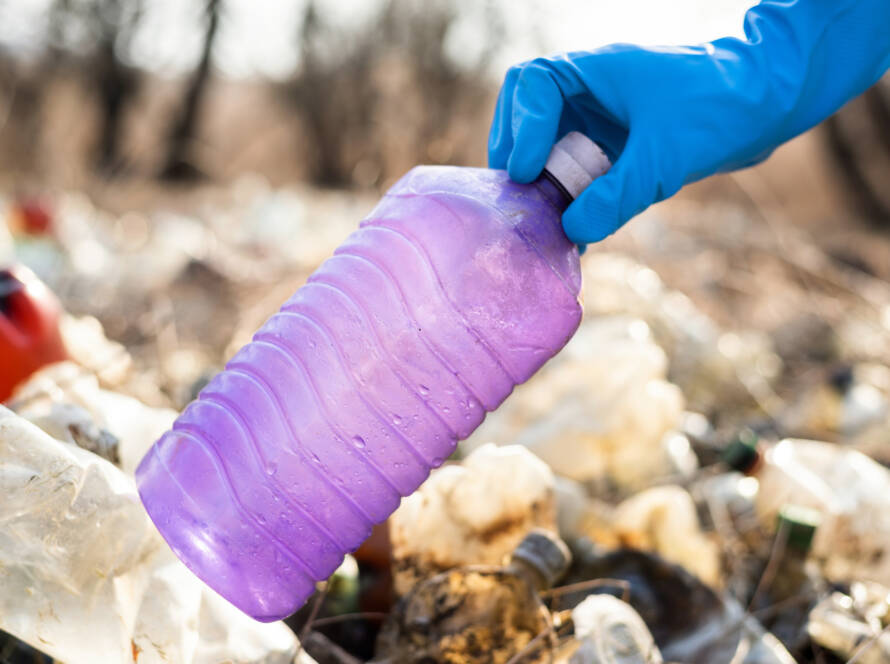
Sustainability expectations are growing rapidly across the packaging industry, and recycled PET (rPET) is becoming a key material in flexible packaging solutions.
rPET refers to recycled polyethylene terephthalate made from post-consumer plastic waste. It helps reduce dependence on virgin plastics while supporting circular economy goals.
Many food and beverage brands are now committing to:
- Higher recycled content targets
- Reduced virgin plastic usage
- Improved recyclability
- Compliance with global sustainability regulations
Industry experts continue to position PET and rPET as important materials because of their recyclability, lightweight properties, and lower carbon footprint compared to several traditional packaging formats.
In 2026, rPET usage is expanding across:
- Beverage packaging
- Flexible food laminates
- Retort packaging
- Snack pouches
- Frozen food applications
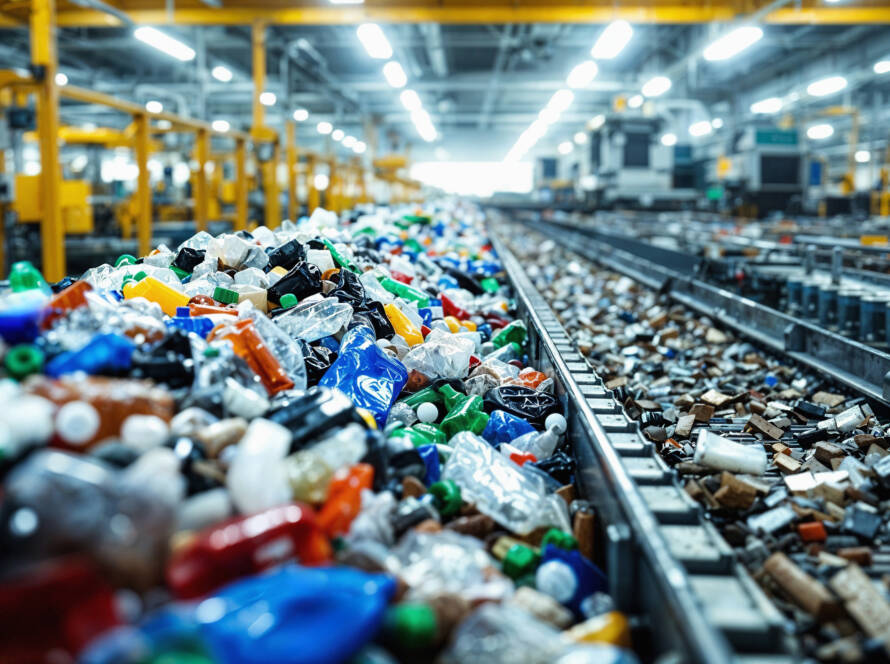
At the same time, mono-material structures are becoming more common because they simplify recycling processes. Packaging manufacturers are investing heavily in recyclable PE, PP, and PET-based structures to align with new environmental regulations.
For consumers, sustainable packaging increasingly influences purchasing decisions. Modern shoppers want packaging that feels environmentally responsible without sacrificing convenience or aesthetics.
Companies that adopt recyclable and recycled-content packaging early will gain stronger market credibility in the coming years.
4. Matte-Finish Packaging Is Dominating Shelf Appeal
Packaging design trends are evolving rapidly, and matte-finish flexible packaging is becoming increasingly popular across the food and beverage sector.
Consumers often associate matte textures with premium quality, sophistication, and modern branding. Unlike glossy packaging, matte finishes offer a softer and more elegant appearance that helps products stand out on crowded retail shelves.
Matte-finish packaging is especially trending in:
- Premium coffee packaging
- Gourmet snacks
- Organic food products
- Protein supplements
- Luxury confectionery
- Health-focused beverages
One reason for the growing popularity of matte packaging is its strong visual impact both in physical stores and digital marketing. Matte surfaces photograph beautifully for eCommerce websites, social media promotions, and online advertisements.
Brands are also experimenting with:
- Soft-touch matte textures
- Matte and gloss contrast effects
- Minimalist packaging designs
- Metallic matte combinations
These designs create a modern, high-end appearance that attracts consumers instantly.
In today’s competitive retail environment, packaging aesthetics can directly influence buying behavior. A visually appealing package often creates stronger emotional connections with customers and improves perceived product value.
For flexible packaging manufacturers, premium surface finishes are becoming an essential part of packaging innovation in 2026.
5. Mono-Material Packaging Is Shaping the Future of Recycling
Traditional flexible packaging often combines multiple material layers to achieve strength and barrier performance. However, multi-layer structures can be difficult to recycle because different materials must be separated during processing.
In 2026, the industry is increasingly shifting toward mono-material flexible packaging structures.
Mono-material packaging uses a single material family throughout the package, making recycling significantly easier and more efficient.
Popular mono-material packaging structures include:
- PE-based laminates
- PP-based flexible films
- PET mono-material packaging
The biggest advantage of mono-material packaging is improved recyclability without sacrificing product protection.
Food and beverage companies still require packaging that delivers:
- Moisture resistance
- Oxygen barriers
- Freshness preservation
- Heat resistance
- Transportation durability
Advancements in material technology are now making it possible to achieve these performance requirements using recyclable mono-material solutions.
Consumers are also becoming more aware of recycling instructions and environmental labeling. Packaging that is easier to recycle often strengthens customer trust and improves brand reputation.
As sustainability regulations continue to evolve globally, mono-material flexible packaging is expected to become an industry standard over the next few years.
The Future of Flexible Packaging in 2026
Flexible packaging is evolving far beyond its traditional role. In 2026, packaging is becoming smarter, lighter, more sustainable, and visually more premium than ever before.
Food and beverage brands are investing heavily in packaging innovation because modern consumers expect convenience, sustainability, and strong product presentation all at once.
The biggest trends shaping the future include:
- Smart interactive packaging
- Lightweight material innovation
- Increased use of recycled materials
- Premium matte-finish aesthetics
- Recyclable mono-material structures
Sustainability will remain the driving force behind most packaging innovations.
Companies investing in advanced material science and high-performance films today will be better positioned to lead tomorrow’s market.
Tapadia Polyester is part of this evolving landscape, helping businesses adopt modern packaging solutions that align with changing industry standards and consumer expectations.
Conclusion
The future of food and beverage packaging is becoming smarter, lighter, more sustainable, and more visually engaging. Flexible packaging is helping brands improve efficiency, reduce waste, strengthen branding, and meet changing consumer expectations.
From smart packaging technologies and lightweight materials to increased rPET usage and premium matte-finish designs, these trends are shaping the next generation of packaging solutions in 2026.
Businesses that embrace these innovations early will be better positioned to stay competitive in a rapidly evolving market.
With advanced flexible packaging solutions and a strong focus on innovation, Tapadia Polyester continues to support the changing needs of the food and beverage industry.
Get in touch with the Tapadia Polyester team today to discuss your packaging requirements and discover how our film solutions can support your brand’s next chapter.
Frequently Asked Questions (FAQs)
Flexible packaging refers to packaging made from pliable materials – films, foils, and laminates – that can be formed into pouches, bags, wraps, and sachets. It’s preferred in food and beverage because it offers excellent product protection, extends shelf life, reduces material usage compared to rigid alternatives, and gives brands significant design flexibility.
Smart packaging improves customer engagement and product transparency. It allows consumers to access information such as ingredient sourcing, freshness details, and recycling instructions through digital features like QR codes and smart labels.
Lightweight packaging reduces material usage, lowers transportation costs, decreases carbon emissions, and improves storage efficiency while maintaining product protection.
rPET stands for recycled polyethylene terephthalate. It is made from recycled plastic materials and helps reduce dependence on virgin plastics while supporting sustainability initiatives.
Mono-material packaging uses a single type of material throughout the packaging structure, making it easier to recycle and more environmentally friendly compared to multi-layer packaging.