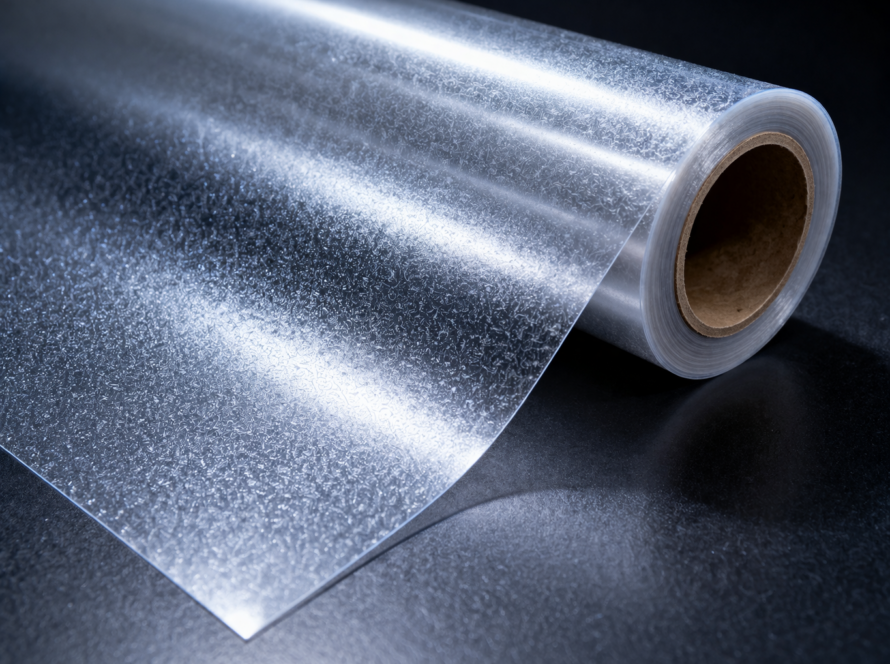
When people think about polyester films, packaging applications are often the first thing that comes to mind. However, polyester films—especially PET (Polyethylene Terephthalate) films—play a far more critical role beyond packaging. In the electrical and electronics industry, PET films are widely used as reliable insulation materials that help power and protect modern infrastructure.
From electric motors and transformers to industrial cables and renewable energy systems, polyester films are valued for their exceptional dielectric strength, thermal stability, and mechanical toughness. These properties make them essential for maintaining the safety, efficiency, and durability of electrical systems across industries.
At Tapadia Polyesters, advanced PET film solutions are designed to meet the growing demand for high-performance industrial and electrical insulation applications.
Understanding Polyester Films in Electrical Applications
Polyester films are manufactured through a biaxial orientation process that enhances their physical and electrical properties. The result is a thin yet extremely durable film with excellent insulating capabilities.
In electrical systems, insulation materials are necessary to separate conductive components, prevent short circuits, reduce power leakage, and protect equipment from overheating. PET films provide a dependable insulating barrier while maintaining flexibility and dimensional stability under demanding conditions.
Their ability to combine lightweight construction with high electrical performance makes polyester films a preferred material for modern electrical engineering applications.
Why Electrical Insulation Matters
Electrical insulation is one of the most important factors in ensuring safe and uninterrupted power transmission. Without effective insulation, electrical systems become vulnerable to:
- Electrical leakage
- Equipment damage
- Overheating
- Fire hazards
- Reduced operational efficiency
- Short circuits
As industries move toward automation, renewable energy, and electric mobility, the demand for advanced insulation materials continues to increase. Polyester films provide the reliability required for these evolving technologies.
Key Properties of Polyester Films
High Dielectric Strength
One of the main reasons PET films are used in electrical insulation is their high dielectric strength. This property allows the material to withstand high voltages without electrical breakdown.
In applications such as transformers, motors, and capacitors, polyester films help maintain insulation integrity even under continuous electrical stress.
Benefits of high dielectric strength include:
- Better electrical safety
- Reduced risk of system failure
- Improved equipment reliability
- Stable long-term performance
This makes PET films highly effective in high-voltage electrical systems.
Excellent Thermal Stability
Electrical equipment often generates heat during operation. Insulation materials must be able to withstand elevated temperatures without losing performance.
Polyester films offer strong thermal resistance and dimensional stability, making them suitable for environments where heat exposure is constant. They resist shrinking, cracking, and deformation even during prolonged operation.
This property is especially important in:
- Electric motors
- Transformers
- Power distribution systems
- Industrial electrical equipment
Thermal stability helps extend the operational life of electrical components while reducing maintenance requirements.
Mechanical Toughness and Durability
Electrical insulation materials must endure mechanical stress during manufacturing, installation, and operation. Polyester films are known for their:
- High tensile strength
- Tear resistance
- Abrasion resistance
- Flexibility
- Long-lasting durability
Their mechanical toughness ensures reliable performance in demanding industrial environments where vibration, movement, and physical stress are common.
For example, in motor winding applications, PET films maintain their structural integrity even under continuous operational cycles.
Applications of Polyester Films in Electrical Systems
Electric Motors
Electric motors require effective insulation systems to separate conductive parts and prevent electrical faults. Polyester films are commonly used for:
- Slot insulation
- Winding insulation
- Layer insulation
- Phase separation
Their excellent electrical and thermal properties help motors operate efficiently under high-speed and high-temperature conditions.
Industries such as automotive manufacturing, industrial automation, HVAC systems, and renewable energy rely heavily on insulated motor systems.
Transformers
Transformers operate under high voltages and significant thermal loads, making insulation quality extremely important.
Polyester films provide reliable insulation between transformer windings and conductive components. Their dielectric strength and heat resistance help improve transformer performance and operational safety.
Advantages in transformer applications include:
- Enhanced insulation reliability
- Improved heat management
- Longer equipment lifespan
- Reduced maintenance costs
As power infrastructure expands globally, transformer manufacturers continue to depend on high-quality PET films.
Cable Insulation and Wrapping
Polyester films are also widely used in cable insulation and protective wrapping systems. Electrical cables require insulation materials that can withstand heat, moisture, and mechanical damage.
PET films help protect:
- Industrial cables
- Power transmission cables
- Communication cables
- Automotive wiring systems
Their flexibility and durability make them ideal for cable wrapping applications where long-term reliability is essential.
Capacitors and Electronics
Polyester films are commonly used in film capacitors because of their stable dielectric properties. Capacitors rely on insulation materials that can store electrical energy safely and efficiently.
In electronics, PET films are also used for:
- Flexible printed circuits
- Battery insulation
- Electronic displays
- Membrane switches
Their dimensional stability and lightweight nature support compact electronic designs.
Role in Renewable Energy Systems
The growth of renewable energy systems has increased demand for durable insulation materials capable of handling harsh environmental conditions.
Polyester films are used in:
- Solar energy systems
- Wind turbine components
- Battery storage systems
- Energy control units
Their resistance to heat, moisture, and electrical stress makes them suitable for long-term renewable energy applications.
Why Manufacturers Prefer PET Films
Compared to traditional insulation materials, polyester films offer several advantages:
| Feature | Polyester Films | Traditional Insulation Materials |
|---|---|---|
| Dielectric Strength | High | Moderate |
| Thermal Resistance | Excellent | Variable |
| Mechanical Durability | Strong | Often brittle |
| Moisture Resistance | High | Limited |
| Flexibility | Excellent | Lower |
| Weight | Lightweight | Heavier |
| Service Life | Long-lasting | Moderate |
These benefits make PET films an efficient and cost-effective insulation solution for modern electrical systems.
Supporting Safer and Smarter Power Infrastructure
Global energy demands continue to grow alongside increased electrification, renewable energy adoption, and smart grid development. Reliable insulation materials are critical to ensuring uninterrupted power transmission and equipment safety.
Polyester films support this transition by offering:
- Improved electrical safety
- Enhanced system efficiency
- Longer equipment life
- Reduced operational downtime
- Better thermal management
As industries pursue energy-efficient technologies and sustainable infrastructure, advanced PET films remain essential to future-ready electrical systems.
Future Trends in Electrical Insulation Films
The future of electrical insulation materials is closely tied to technological innovation and sustainability. Emerging trends include:
High-Temperature Insulation Films
Industries are developing advanced PET film grades capable of handling even higher operating temperatures.
Sustainable and Recyclable Materials
Manufacturers are increasingly focusing on environmentally responsible PET film production and recycling initiatives.
Thin and Lightweight Film Technologies
Demand is growing for ultra-thin insulation films that reduce system size while maintaining performance.
Smart Electrical Systems
As smart grids and intelligent power systems expand, reliable insulation materials will remain critical for operational stability.
Polyester films are expected to continue evolving alongside these industrial advancements.
Conclusion
Polyester films are far more than packaging materials. Their high dielectric strength, thermal stability, and mechanical toughness make them essential for electrical insulation applications across industries.
From motors and transformers to cables and renewable energy systems, PET films help ensure safe, efficient, and reliable operation in modern electrical infrastructure.
As industries continue to evolve toward electrification and sustainable energy solutions, high-performance PET films from Tapadia Polyesters will continue to play a key role in powering and protecting the future.
Looking for high-quality polyester films for electrical insulation applications? Connect with us today to explore customized PET film solutions tailored to your industrial requirements.
Frequently Asked Questions (FAQs)
Polyester films are used as insulating materials in motors, transformers, cables, capacitors, batteries, and electronic components. They help prevent electrical leakage, short circuits, and overheating.
PET films offer high dielectric strength, thermal stability, moisture resistance, and mechanical durability, making them ideal for demanding electrical environments.
Dielectric strength refers to the maximum electrical voltage a material can withstand without breaking down or allowing current to pass through. In simple terms, it measures the insulating capability of a material.
Polyester films have high dielectric strength, which makes them highly effective in preventing electrical failures in motors, transformers, capacitors, and cables. A higher dielectric strength means better safety, improved reliability, and longer-lasting electrical equipment.
Yes. PET films have low moisture absorption, which helps maintain stable insulation performance even in humid conditions.
Yes. Electric vehicles use polyester films for battery insulation, motor systems, cable protection, and electronic components.
Industries such as automotive, electronics, renewable energy, power generation, telecommunications, and industrial manufacturing use PET insulation films.