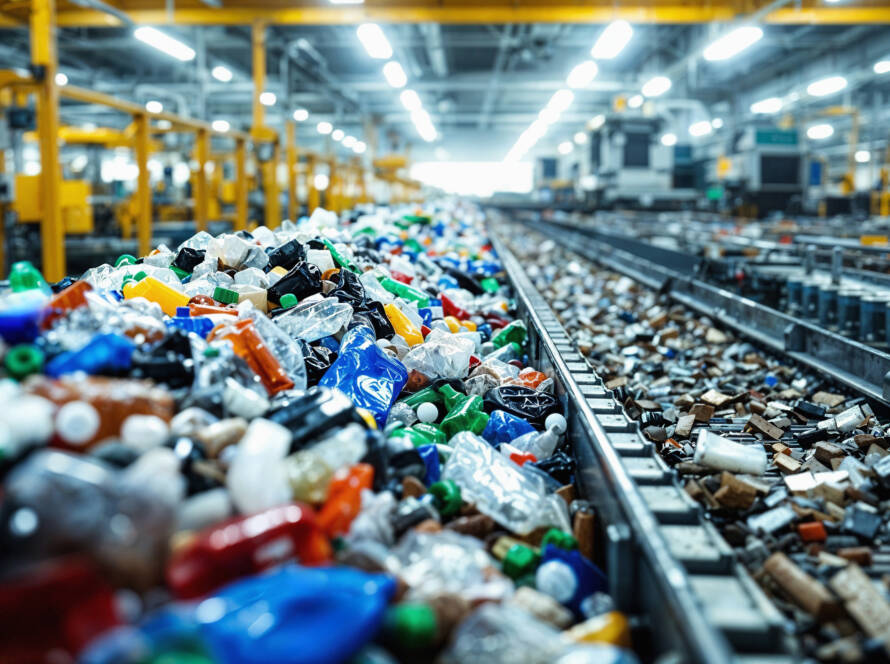
Plastic is part of everyday life—from water bottles to food packaging. But as sustainability becomes a business imperative, the way plastic is produced and reused is changing. Recycled PET (rPET) is at the forefront of this shift, offering the same functional performance as traditional PET while significantly reducing environmental impact.
By giving plastic a second life, rPET helps industries move toward responsible, future-ready packaging without compromising quality.
What is rPET?
Recycled PET (rPET) is polyethylene terephthalate that has been recovered, processed, and reused after its initial lifecycle. Instead of being discarded into landfills or oceans, PET waste—commonly plastic bottles and containers—is transformed into new, usable material.
In simple terms:
- PET = Virgin plastic made from petroleum
- rPET = PET made from recycled plastic waste
The chemical structure of rPET remains largely the same as virgin PET, which means it can deliver comparable performance when processed correctly.
How Is rPET Made?
The rPET process follows a carefully controlled, multi-step system designed to ensure purity and consistency:
- 1. Collection: Used bottles and containers are collected from consumers and industries.
- 2. Sorting: Automated systems separate PET from other plastics.
- 3. Washing: Labels, glue, and contaminants are removed.
- 4. Shredding: Clean PET is converted into flakes.
- 5. Reprocessing: Flakes are melted and converted into pellets or directly into films.
Each step is critical to ensuring the final rPET material meets technical and regulatory requirements.
Key Properties of rPET
Despite being recycled, rPET retains most of the technical strengths of virgin PET:
- High mechanical strength
- Excellent dimensional stability
- Good barrier to moisture and gases
- Thermal resistance
- Good clarity (depending on grade)
In short, it behaves like new plastic—but with a more environmentally friendly story.
Environmental Benefits of rPET
- Reduces dependence on fossil fuels
- Lowers greenhouse gas emissions
- Diverts plastic from landfills and oceans
- Saves energy during production
Environmental Impact Comparison
| Parameter | Virgin PET | rPET |
|---|---|---|
| Energy Consumption | High | Up to 60% lower |
| Carbon Emissions | High | Significantly reduced |
| Raw Material Source | Petroleum | Post-consumer waste |
| Circular Economy Fit | Low | Strong circular economy alignment |
Applications of rPET
rPET is used across industries:
| Application | Examples | |
|---|---|---|
| Textiles | Polyester yarns, Apparel, Home fabricsr | |
| Packaging | Bottles, Food containers, Flexible and rigid films, Thermoformed containers | |
| Industrial | Sheets, Films, Strapping materials | |
| Consumer Goods | Household items, Accessoriest |
rPET vs Virgin PET
| Feature | Virgin PET | rPET |
|---|---|---|
| Sustainability | Low | High |
| Cost Stability | Volatile | More stable |
| Performance | Excellent | Comparable |
| Regulatory Acceptance | Universal | Growing rapidly |
| Brand Perception | Neutral | Eco-friendlyy |
Challenges of rPET
Like any material, rPET comes with practical considerations:
- Color variation between batches
- Slightly lower IV if not processed correctly
- Limited supply during peak demand
- Strict contamination control is required
This is why supplier expertise matters.
Why Brands Are Switching to rPET
Because sustainability is no longer optional:
- Consumers prefer eco-friendly packaging
- Governments impose recycling targets
- Brands aim for carbon neutrality
- ESG reporting demands traceable materials
rPET helps companies walk the talk.
Cost Considerations
rPET pricing depends on:
- Availability of clean feedstock
- Processing technology
- Certification level
- Application grade (food vs non-food)
Over time, rPET often becomes more cost-stable than virgin PET due to reduced dependence on oil prices.
How to Choose the Right rPET Grade
Consider:
- End-use application
- Food contact requirements
- Optical clarity needs
- Mechanical strength
- Thermal performance
- Regulatory compliance
A technically guided selection ensures long-term performance and safety.
Future of rPET
The demand for rPET is expected to grow significantly in the coming years due to global sustainability commitments and consumer preferences for eco-friendly products:
- Packaging
- Automotive
- Electronics
- Construction
- Consumer goods
rPET is no longer an alternative. It is becoming the standard.
Conclusion
Recycled PET (rPET) offers a powerful balance of performance and responsibility. It delivers near-virgin PET functionality while significantly reducing environmental impact, supporting a circular economy, and helping businesses meet sustainability goals.
With experienced manufacturers like Tapadia Polyesters Pvt. Ltd., industries can confidently transition to rPET solutions that are technically robust, regulation-ready, and future-focused.
Looking to upgrade your packaging or industrial films with reliable rPET solutions?
Contact us today to explore sustainable, high-performance polyester films that support both your product goals and environmental commitments.
Frequently Asked Questions (FAQs)
Yes, when properly processed, rPET offers comparable mechanical and thermal performance.
Slight color variation may occur, but high-grade rPET can achieve excellent clarity.
Prices depend on supply and grade, but rPET often offers long-term cost stability.
Because of consistent quality, regulatory compliance, technical support, and sustainable manufacturing practices. Most importantly, our recycling claims are traceable and sustainable, backed by various certifications such as GRS, EN15343, and ISCC Plus.